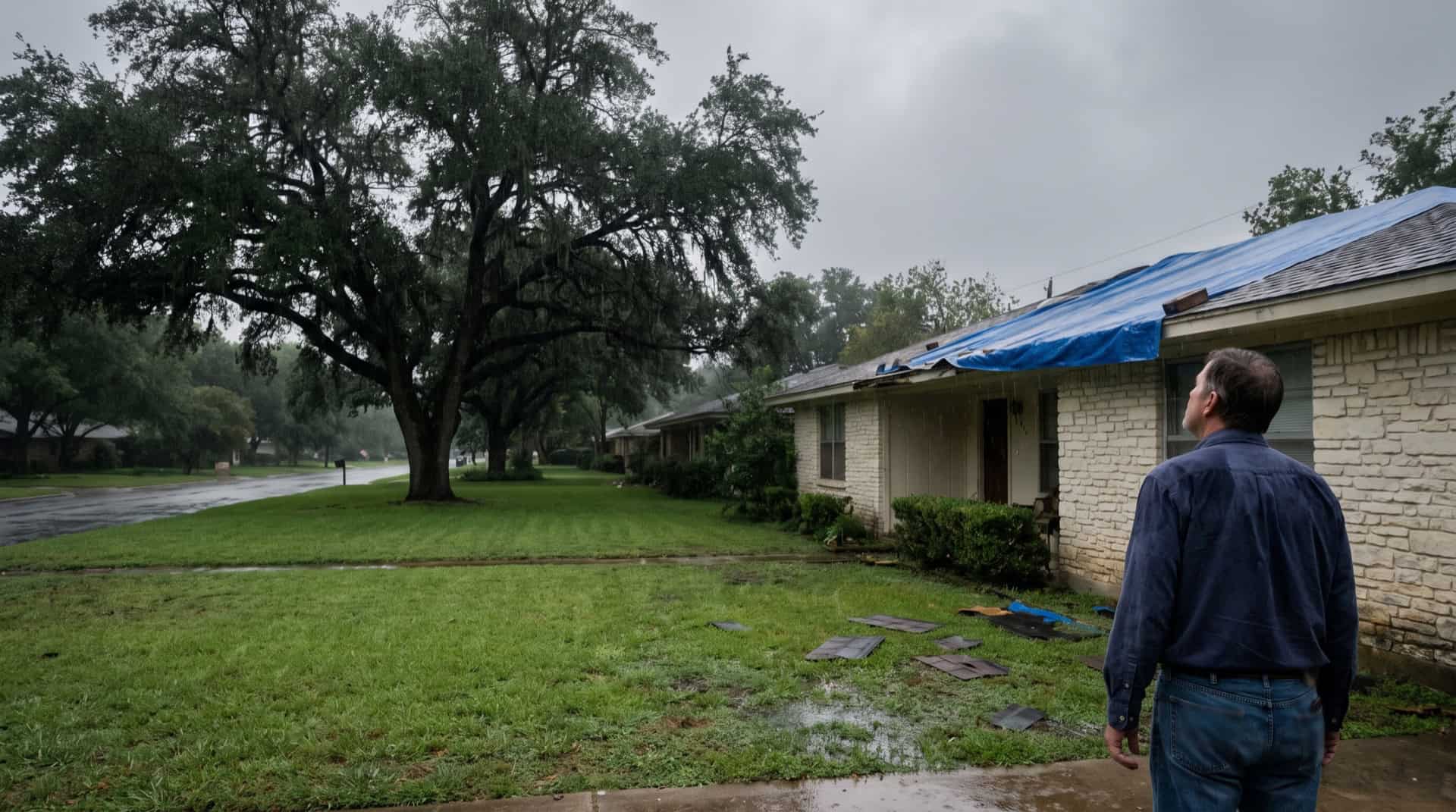
If your own insurance company is sitting on a claim it should have paid, or paid you a fraction of what the loss actually costs, Texas law gives you more than a breach of contract argument. Suing an insurance company in Texas is often worth it when the insurer missed its statutory deadlines or underpaid a claim it clearly owed. The prompt-payment rules in Chapter 542 (often called the Texas Prompt Payment of Claims Act) add 18 percent annual interest plus attorney’s fees on top of the claim. Chapter 541 can add attorney’s fees and, when the insurer acted knowingly, up to three times your actual damages.
Whether a delayed insurance claim in Texas is worth a lawsuit comes down to how big the gap is between what you’re owed and what you got, what the paper trail shows, and whether your claim falls under the special rules for weather damage. Here’s how the law treats delayed insurance claims and what rights it gives you.
Is it worth it to sue an insurance company in Texas?
The math changes because Texas shifts the cost of the fight onto an insurer that breaks the rules. Under Section 542.060, a policyholder whose insurer violated the prompt-payment deadlines on a claim it was liable for is entitled to the claim, interest as damages, and reasonable and necessary attorney’s fees. That’s why a claim that looks too small to litigate can still make sense.
A lawsuit tends to be worth a serious look when:
- The claim is under your own policy, and the insurer’s liability is reasonably clear.
- The insurer blew a written deadline, or paid without a reasonable explanation of why it paid less.
- You have documents: the policy, estimates, photos, letters, and a timeline of every request.
- The gap between the insurer’s number and the real cost is large enough to matter after expert costs.
It’s a harder case when the dispute is a genuine coverage question, such as whether flooding or wear and tear caused the loss. From a trial lawyer’s side of the table, one question drives how insurers value a claim: will this policyholder’s lawyer actually try the case? A file built for a jury from the first letter reads very differently to an adjuster. If you’re weighing that decision, a Texas insurance dispute lawyer can review the policy and the timeline before you sign anything.
How long can an insurance company take to pay a claim in Texas?
Chapter 542 sets a clock that starts when the insurer gets notice of your claim. The insurer has 15 days to acknowledge it, begin investigating, and ask for what it needs, then 15 business days after it receives everything to accept or reject the claim, and 5 business days after accepting to pay. Here are the deadlines for most standard insurers:
| Step | Deadline | Statute |
|---|---|---|
| Acknowledge the claim, start the investigation, request items | 15 days after notice of claim | Sec. 542.055 |
| Accept or reject in writing | 15 business days after receiving all requested items | Sec. 542.056(a) |
| Decide after giving written reasons it needs more time | 45 days after that notice | Sec. 542.056(d) |
| Pay an accepted claim | 5 business days after notice of acceptance | Sec. 542.057(a) |
| Payment delay that triggers damages | More than 60 days after receiving all requested items | Sec. 542.058(a) |
A rejection must state the reasons. If the insurer suspects arson, it gets 30 days instead of 15 business days to decide. And after a weather catastrophe or major natural disaster, as defined by the insurance commissioner, Section 542.059 extends every claim-handling deadline by 15 days.
The 60-day delay clock in Section 542.058 runs from when the insurer received everything it reasonably requested, not from the day you first called. That’s why your own record of what you sent, and when, matters so much.
What does a delayed insurance claim cost a Texas insurer?
When an insurer that’s liable for a claim doesn’t comply with Chapter 542, Section 542.060(a) makes it liable for the claim plus interest at 18 percent a year as damages, together with reasonable and necessary attorney’s fees. If a suit is filed, those fees are taxed as part of the court costs.
The interest depends on the insurer actually owing the claim: Section 542.058(b) says the delay damages don’t apply if arbitration or litigation finds the claim invalid. And Section 542.061 says these remedies are in addition to any other remedy Texas law provides. A prompt-payment claim can sit alongside a breach of contract claim and a Chapter 541 claim in the same lawsuit.
Chapter 541: when underpaid insurance claims become unfair practices
Chapter 542 punishes slowness. Chapter 541 of the Insurance Code goes after how the claim was handled. Section 541.060 lists unfair settlement practices, and several of them describe the classic lowball:
- Misrepresenting a material fact or policy provision about the coverage at issue.
- Failing to attempt in good faith a prompt, fair, and equitable settlement once liability has become reasonably clear.
- Failing to promptly give a reasonable explanation, based on the policy, for a denial or a compromise offer.
- Refusing to pay a claim without conducting a reasonable investigation.
Under Section 541.151, a person who suffers actual damages from these practices can sue. A plaintiff who prevails can recover actual damages, court costs, and reasonable and necessary attorney’s fees. Knowing violations cost more. If the jury, or the judge in a bench trial, finds the insurer acted knowingly (with actual awareness that what it was doing was false, unfair, or deceptive), Section 541.152 allows up to three times actual damages. That’s a ceiling the factfinder decides, not an automatic multiplier.
Two rules can sink a Chapter 541 case on procedure alone. You must give written notice of the specific complaint and the amount of damages and expenses at least 61 days before filing suit (Section 541.154), unless the limitations deadline is about to run. And you must file within two years of the unfair act, or of when you discovered it or reasonably should have (Section 541.162).

Storm and hail claims follow Chapter 542A
Weather claims play by different rules. If your home or other real property was damaged by forces of nature, such as hail, wind, a tornado, a rainstorm, a flood, lightning, a wildfire, or a snowstorm, Chapter 542A applies. The Legislature added it in House Bill 1774, effective September 1, 2017.
The biggest change is the interest rate. In a 542A case, Section 542.060(c) replaces 18 percent with simple interest at the Texas postjudgment rate plus 5 percent, fixed on the date of judgment. The Office of Consumer Credit Commissioner set that rate at 6.75 percent for October 2026, so a judgment entered that month would carry 11.75 percent, running from the date the claim should have been paid.
Chapter 542A also front-loads the work. At least 61 days before suing, you must send written notice stating what the insurer did wrong, the specific amount you say it owes, and your attorney’s fees to date. The insurer can then ask to inspect the property within 30 days of getting that notice. Skip the notice or refuse a reasonable inspection, and the insurer can have the case paused.
That demand number matters more than it looks. Under Section 542A.007, if the judgment is 80 percent or more of the amount you demanded, you can recover your full reasonable fees. Under 20 percent, the court can’t award fees at all, and in between, fees can shrink in proportion. Inflate the demand and you risk your fees. Lowball it and you’ve anchored your own case. The insurer can also accept legal responsibility for its adjuster, which takes the adjuster out of the lawsuit.
Do these laws cover the other driver’s insurance company?
This is where a lot of injured people get bad information. Chapter 542 defines a claim as a first-party claim: one you make under your own policy that the insurer pays directly to you or a named beneficiary. And Section 541.060(b) says the unfair settlement list doesn’t give a cause of action to a third party asserting claims against someone the insurer covers.
So if the at-fault driver’s insurance company is slow-walking your injury claim, the 18 percent interest and the Chapter 541 remedies generally aren’t your tools. Your leverage there is a lawsuit against the person who caused the crash. These statutes protect you when the company that sold you the policy is the one dragging its feet.
What should you do when an insurance company delays your claim?
Most of the legal work on claims in Texas happens before anyone files. The Texas Department of Insurance (TDI) home insurance guide explains the claims process and your options when you disagree with an adjuster. Start here:
- Keep a dated log of every call, email, inspection, and document request, and confirm phone calls in writing.
- Send what the insurer asks for in writing and keep proof of when it arrived, since that date starts the decision and payment clocks.
- Ask in writing for the policy basis for any denial or partial payment.
- Get an independent repair estimate rather than relying only on the insurer’s adjuster.
- Consider appraisal if the fight is only about the amount. TDI notes it’s not for coverage disputes, and the umpire’s decision binds both sides.
- File a written complaint with TDI if the insurer stops responding.
Read the part of your policy that says when you can sue. Your policy may set its own suit deadline, but under Section 16.070 of the Civil Practice and Remedies Code, a contract can’t shorten the time to sue to less than two years. Your claim on the policy itself is a breach of contract dispute, and its deadline can run separately from the Chapter 541 clock.
Get help from a trial lawyer before the insurer sets the terms
An insurer that misses Texas deadlines or underpays a clear claim is betting you won’t push back. Insurance companies count on delays wearing you down. The law gives you real tools, but its notice rules and deadlines punish small mistakes. If your claim is stuck or short, the insurance dispute team at Key Trial Lawyers can review your policy, your timeline, and the insurer’s explanations, and tell you plainly whether a lawsuit makes sense. These cases are part of the firm’s civil litigation practice, prepared for trial from day one.
Frequently asked questions
What can I do if my insurance company is ignoring my claim?
Put every request and response in writing and keep proof of when the insurer received your documents, because the Chapter 542 decision and payment deadlines run from those dates. If the insurer still will not respond, you can file a written complaint with the Texas Department of Insurance, and a lawyer can send the written notice that must come before a Chapter 541 lawsuit.
Can I sue my insurance company for delaying my claim in Texas?
Yes, if the claim is under your own policy and the insurer was liable for it. If an insurer delays payment more than 60 days after receiving all the items it reasonably requested, Section 542.060 makes it liable for the claim, 18 percent annual interest as damages, and reasonable attorney’s fees. Weather damage claims use a lower rate under Chapter 542A.
Can I recover attorney’s fees from my insurance company in Texas?
Often, yes. Section 542.060 adds reasonable and necessary attorney’s fees when an insurer that owed the claim broke the prompt-payment rules, and Section 541.152 lets a plaintiff who prevails in an unfair practices case recover fees too. For storm and hail claims, Chapter 542A ties the fee award to how the judgment compares with the amount in your presuit notice.
What is the Texas deadline to sue over unfair claim handling?
A lawsuit under Chapter 541 must be filed within two years of the unfair act, or within two years of when you discovered it or reasonably should have. You also generally must send written notice of your complaint and damages at least 61 days before filing. Your policy may set a separate deadline for the contract claim, but Texas voids any contractual limit shorter than two years.
Can I get 18 percent interest from the at-fault driver’s insurer?
Generally, no. Chapter 542 covers first-party claims, meaning claims under your own policy that the insurer pays directly to you or a named beneficiary. Section 541.060(b) also says the unfair settlement provisions do not give a third party a cause of action. If an at-fault driver’s insurer is stalling your injury claim, your leverage is a lawsuit against the driver who caused the crash.
Why does my presuit notice amount matter in a hail claim?
Under Chapter 542A, your attorney’s fees depend on how the judgment compares with the amount you demanded in your notice. If the judgment is at least 80 percent of that amount, you can recover your full reasonable fees. If it is under 20 percent, the court cannot award fees, and in between the fee award can shrink in proportion.